
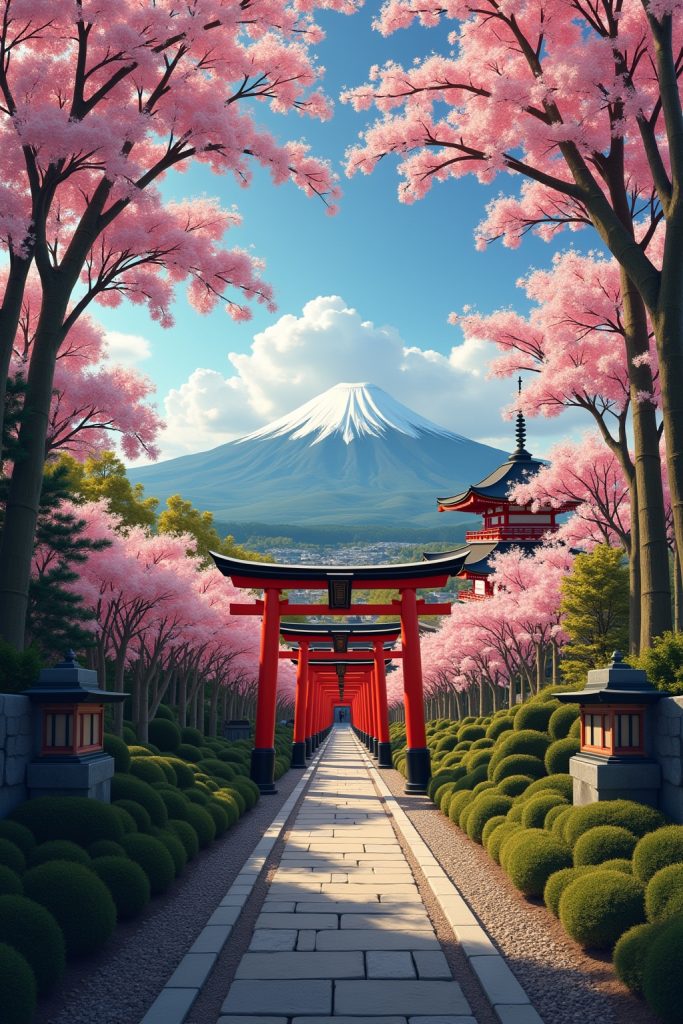
Dieser Text richtet sich an reisebegeisterte Individualisten, die auf der Suche nach einzigartigen und authentischen Erlebnissen in Japan sind. Wenn du dich von den ausgetretenen Pfaden abheben und tiefere Einblicke in die japanische Kultur, Geschichte und Natur gewinnen möchtest, findest du hier zehn außergewöhnliche Reiseideen, die über die üblichen Touristenattraktionen hinausgehen und dir unvergessliche Momente bescheren werden.
Das sind die beliebtesten Japan Reiseführer Produkte

Lonely Planet Japan Planning Map: Durable, Waterproof, Easy-Fold Travel Map with Attractions, Itineraries & Transpo ...
zum Angebot »
Typisch Japan: Kultur, Tradition und Lebensgefühl. Ein Geschenk-Buch für alle Japan-Fans und eine Inspiration fü ...
zum Angebot »

MARCO POLO Reiseführer Japan: Reisen mit Insider-Tipps. Inklusive kostenloser Touren-App ...
zum Angebot »


Japan für Anfänger – Von der Planung bis zur Heimkehr: Dein Guide zu unvergesslichen Erlebnissen im echten Japa ...
zum Angebot »

Außergewöhnliche Reiseziele und Erlebnisse in Japan
Japan ist ein Land der Kontraste, in dem jahrhundertealte Traditionen auf ultramoderne Technologie treffen und atemberaubende Naturlandschaften auf pulsierende Metropolen. Um das wahre Wesen Japans zu erfahren, bedarf es oft eines Blicks hinter die Kulissen. Die folgenden zehn Reiseideen wurden sorgfältig ausgewählt, um dir ein reichhaltiges und facettenreiches Reiseerlebnis zu ermöglichen, das du so schnell nicht vergessen wirst.
1. In die Welt der Samurai eintauchen: Die historischen Städte Kanazawa und Kakunodate
Für Geschichtsinteressierte, die sich für die Ära der Samurai begeistern, sind Kanazawa und Kakunodate unverzichtbare Ziele. Kanazawa, in der Präfektur Ishikawa gelegen, ist berühmt für seinen gut erhaltenen Samurai-Bezirk Nagamachi. Hier kannst du durch die engen Gassen schlendern, traditionelle Samurai-Häuser besichtigen, wie das Nomura-ke Residence, und dir vorstellen, wie das Leben damals war. Der Kenrokuen Garten, einer der schönsten Landschaftsgärten Japans, bietet eine Oase der Ruhe und Schönheit.
Kakunodate in der Präfektur Akita ist bekannt als die „kleine Kyoto des Nordens“. Dieser Ort hat seinen Charme aus der Edo-Zeit bewahrt, mit zahlreichen Samurai-Residenzen, die heute Museen sind. Besonders im Frühling, wenn die Kirschblüten blühen, und im Herbst, wenn die Blätter in leuchtenden Farben erstrahlen, entfaltet Kakunodate seine volle Pracht. Die Möglichkeit, in einem traditionellen Ryokan zu übernachten und lokale Köstlichkeiten wie Kiritanpo (ein Reiskuchen am Spieß) zu probieren, rundet das Erlebnis ab.
2. Spirituelle Einkehr in den Heiligen Bergen: Kumano Kodo Pilgerrouten
Die Kumano Kodo Pilgerrouten in der Präfektur Wakayama sind UNESCO-Weltkulturerbe und bieten eine tiefgründige spirituelle Erfahrung für alle, die sich nach Ruhe und Besinnung sehnen. Diese alten Pfade schlängeln sich durch dichte Wälder, vorbei an Schreinen und Tempeln, die den drei großen Schreinen von Kumano gewidmet sind: Kumano Hongu Taisha, Kumano Hayatama Taisha und Kumano Nachi Taisha. Die Wanderung ist anspruchsvoll, aber die Belohnung ist immens: ein Gefühl der Verbundenheit mit der Natur und der jahrhundertealten Spiritualität Japans.
Es gibt verschiedene Routen mit unterschiedlichen Schwierigkeitsgraden und Längen, sodass du die für dich passende auswählen kannst. Unterkünfte reichen von einfachen Pilgerherbergen (Minshuku) bis hin zu luxuriösen Ryokans mit Onsen (heißen Quellen). Die Erfahrung, auf denselben Pfaden zu wandern, die seit über tausend Jahren von Pilgern genutzt werden, ist zutiefst bewegend.
3. Industriearchitektur und Kunst auf einer Insel: Naoshima und die Kunstinseln
Für Kunstliebhaber und Architekturinteressierte ist Naoshima in der Seto-Binnenmeer eine absolute Pflicht. Diese Insel hat sich von einer industriell geprägten Gegend zu einem globalen Zentrum für zeitgenössische Kunst und Architektur entwickelt. Das Chichu Art Museum, das fast vollständig unterirdisch angelegt ist und Werke von Monet, Walter De Maria und James Turrell beherbergt, ist ein Meisterwerk der Architektur.
Das Benesse House, ein Kunstmuseum und Hotel, sowie das Lee Ufan Museum und das Ando Museum, das dem Architekten Tadao Ando gewidmet ist, der maßgeblich an der Gestaltung der Insel beteiligt war, sind weitere Höhepunkte. Aber auch draußen begegnest du Kunstwerken, wie den berühmten Kürbissen von Yayoi Kusama, die am Hafen und am Strand zu finden sind. Die nahegelegenen Inseln Teshima und Inujima bieten ebenfalls beeindruckende Kunstprojekte und sind gut mit der Fähre erreichbar.
4. Mystische Wälder und Teeplantagen: Shizuoka und der Fuji-Hakone-Izu Nationalpark
Während viele Touristen den Fuji aus der Ferne bewundern, bietet die Region um Shizuoka und den Fuji-Hakone-Izu Nationalpark die Möglichkeit, diese ikonische Landschaft hautnah zu erleben. Shizuoka ist nicht nur die Heimat des höchsten Berges Japans, sondern auch die größte Teeproduktionsregion des Landes. Ein Besuch einer Teeplantage, beispielsweise in der Nähe des Mount Fuji, ermöglicht dir nicht nur den Blick auf endlose grüne Hänge, sondern auch die Verkostung von frisch geerntetem Grüntee und das Verständnis des aufwendigen Produktionsprozesses.
Der Fuji-Hakone-Izu Nationalpark lockt mit atemberaubenden Ausblicken auf den Fuji, malerischen Seen wie dem Ashi-See (wo du eine Bootsfahrt mit Blick auf den Berg unternehmen kannst) und heißen Quellen. Wanderungen durch die Wälder, besonders die weniger bekannten Pfade abseits der Hauptrouten, offenbaren eine beeindruckende Flora und Fauna. Die Region ist auch bekannt für ihre reiche Geologie, einschließlich vulkanischer Aktivitäten, die das Landschaftsbild prägen.
5. Unterwasserwelten und Korallenriffe: Die Okinawa-Inseln
Wenn du dich für tropische Paradiese und Meeresbiologie interessierst, sind die Okinawa-Inseln im Süden Japans das Richtige für dich. Okinawa ist bekannt für seine atemberaubenden Korallenriffe, das kristallklare Wasser und eine reiche marine Biodiversität. Tauchen und Schnorcheln sind hier absolute Highlights. Die Kerama-Inseln, ein Nationalpark, sind berühmt für ihre erstklassigen Tauchplätze mit Sichtweiten von bis zu 30 Metern.
Neben den Wassersportaktivitäten bietet Okinawa auch eine einzigartige Kultur, die sich von der des japanischen Festlandes unterscheidet. Entdecke die Reste des Ryukyu-Königreichs, besuche das Okinawa Churaumi Aquarium, eines der größten der Welt, und genieße die lokale Küche, die von tropischen Früchten und frischen Meeresfrüchten geprägt ist. Die Insel Ishigaki und die Yaeyama-Inseln sind weitere Juwelen für Naturliebhaber, die unberührte Strände und authentische Inselerlebnisse suchen.
6. Gastronomie-Entdeckungsreise: Takayama und das Hida-Rindfleisch
Für Feinschmecker ist ein Besuch in Takayama in der Präfektur Gifu ein Muss. Diese charmante Stadt in den japanischen Alpen ist berühmt für ihr exzellentes Hida-Rindfleisch, das als eines der besten Rindfleischsorten Japans gilt. Aber Takayama bietet mehr als nur kulinarische Genüsse. Die Altstadt mit ihren gut erhaltenen Edo-zeitlichen Holzhäusern, Sake-Brauereien und traditionellen Märkten versetzt dich in eine andere Zeit.
Probiere lokale Spezialitäten wie Mitardashi Dango (süße Reiskuchen) oder Hoba Miso (Miso-Paste, gegrillt auf einem Magnolienblatt). Besuche den Morgenmarkt von Takayama, um frische Produkte und lokale Handwerkskunst zu entdecken. Ein Ausflug ins nahegelegene Shirakawa-go und Gokayama, UNESCO-Weltkulturerbe-Dörfer mit ihren einzigartigen Gassho-zukuri Bauernhäusern, rundet das Erlebnis ab und bietet Einblicke in das ländliche Japan.
7. Die Stille der Natur: Die Japanischen Alpen und Kanayama-cho
Die Japanischen Alpen (Northern Alps) bieten spektakuläre Landschaften für Wanderer und Naturliebhaber, die dem Trubel der Städte entfliehen möchten. Abseits der bekannteren Routen wie Kamikochi findest du versteckte Juwelen wie Kanayama-cho in der Präfektur Gifu. Diese Region ist bekannt für ihre unberührten Wälder, klaren Flüsse und die Möglichkeit, tief in die japanische Natur einzutauchen.
Wanderungen durch die Wälder, die Entdeckung versteckter Wasserfälle und die Beobachtung der heimischen Tierwelt machen diese Region besonders attraktiv. Der Besuch von traditionellen Onsen in abgelegenen Bergdörfern bietet pure Entspannung und ein authentisches japanisches Erlebnis. Im Winter verwandeln sich die Japanischen Alpen in ein Paradies für Wintersportler, aber auch abseits der Skigebiete gibt es viel zu entdecken.
8. Geschichte und Kultur in der alten Hauptstadt: Kyoto, aber abseits der Massen
Kyoto ist weltberühmt für seine Tempel und Schreine, doch um die wahre Essenz dieser alten Hauptstadt zu erfahren, lohnt es sich, die ausgetretenen Pfade zu verlassen. Statt der überfüllten Hauptattraktionen, erkunde weniger bekannte, aber ebenso schöne Tempel wie den Daitoku-ji Komplex mit seinen vielen Untertempeln oder den Gio-ji Tempel, der für seine Moosgärten bekannt ist.
Ein Spaziergang durch das Gion-Viertel am frühen Morgen, bevor die Touristenmassen eintreffen, bietet die Chance, eine Geisha oder Maiko zu erspähen. Besuche das Nishijin-Textilzentrum, um mehr über die traditionelle Webkunst zu erfahren, oder erkunde die charmanten Gassen von Pontocho am Abend. Die Teilnahme an einer traditionellen Teezeremonie in einem kleineren, authentischen Rahmen oder das Erlernen der Kalligraphie kann dein Kyoto-Erlebnis vertiefen.
9. Moderne Kunst und futuristische Architektur: Odaiba und die Ginza-Region in Tokio
Tokio ist ein Zentrum der Innovation und des Designs. Während die Shibuya-Kreuzung und der Senso-ji Tempel ikonisch sind, bieten Odaiba und die Ginza-Region einen Einblick in die futuristische und avantgardistische Seite der Stadt. Odaiba, eine künstliche Insel in der Bucht von Tokio, ist ein Unterhaltungs- und Einkaufszentrum mit beeindruckender moderner Architektur, Museen wie dem Miraikan (National Museum of Emerging Science and Innovation) und dem MORI Building Digital Art Museum: teamLab Borderless.
Die Ginza-Region ist bekannt für ihre exklusiven Boutiquen, Kunstgalerien und gehobenen Restaurants. Hier kannst du die neuesten architektonischen Trends bestaunen und in die Welt des japanischen Designs eintauchen. Ein Besuch des Sony Parks oder der Nissan Crossing Showroom bietet futuristische Einblicke. Die Kombination aus traditionellem Handwerk und futuristischem Design ist ein Markenzeichen Tokios, das du in diesen Gegenden besonders gut erleben kannst.
10. Die Geheimnisse der japanischen Alpen: Die Okuhida Onsen Dörfer
Für ein tiefes Eintauchen in die Welt der heißen Quellen und die alpine Idylle sind die Okuhida Onsen Dörfer in der Präfektur Gifu eine exzellente Wahl. Diese abgelegenen Dörfer, eingebettet in die Japanischen Alpen, bieten eine unvergleichliche Entspannung in traditionellen Ryokans mit spektakulärem Bergblick. Die Dörfer Shinhotaka Onsen, Hirayu Onsen, Fukuji Onsen und Shin-Oshirakawa Onsen sind bekannt für ihre Vielfalt an heißen Quellen, von Freiluft-Onsen mit Panoramablick bis hin zu privaten Bädern.
Ein Besuch der Shinhotaka Ropeway bietet atemberaubende Ausblicke auf die umliegenden Gipfel, insbesondere im Herbst und Winter. Die Möglichkeit, traditionelle japanische Küche zu genießen, die oft lokale und saisonale Zutaten verwendet, und die herzliche Gastfreundschaft der Einheimischen zu erleben, macht diese Reise zu einem unvergesslichen Erlebnis. Die Stille der Berge und das beruhigende warme Wasser der Onsen bieten eine perfekte Flucht aus dem Alltag.
| Kategorie | Schwerpunkt | Erlebnisart | Geeignet für | Besonderheit |
|---|---|---|---|---|
| Geschichte & Kultur | Samurai-Erbe | Historische Stadterkundung, Besichtigung von Residenzen | Geschichtsinteressierte, Kulturreisende | Erhaltene Samurai-Viertel |
| Spiritualität & Natur | Pilgerrouten, Heilige Berge | Wandern, Meditation, Besuch von Schreinen | Spirituell Suchende, Naturfreunde, Wanderer | UNESCO-Weltkulturerbe, Jahrhunderte alte Routen |
| Kunst & Architektur | Zeitgenössische Kunst, Insel-Architektur | Museumsbesuche, Skulpturenpfade, Architektur-Touren | Kunstliebhaber, Architekturliebhaber, Designinteressierte | Einzigartige Symbiose aus Kunst und Natur |
| Natur & Entspannung | Teeplantagen, Berglandschaften, heiße Quellen | Besichtigung von Plantagen, Wanderungen, Baden in Onsen | Naturfreunde, Genussreisende, Entspannungssuchende | Ikonische Bergkulisse, traditionelle Landwirtschaft |
| Abenteuer & Entspannung | Meeresleben, tropische Inseln | Tauchen, Schnorcheln, Strandleben, kulturelle Erkundung | Wassersportler, Naturliebhaber, Reisende, die das Exotische suchen | Weltklasse-Tauchspots, einzigartige Inselsubkultur |
| Kulinarik & Tradition | Regionale Spezialitäten, ländliches Japan | Kulinarische Touren, Besuch von Märkten, traditionelle Handwerke | Feinschmecker, Kulturreisende, Liebhaber authentischer Erlebnisse | Weltberühmte Rindfleischsorten, historische Stadtbilder |
| Natur & Ruhe | Alpine Landschaften, abgelegene Dörfer | Wandern, Naturbeobachtung, Entspannung in Onsen | Naturfreunde, Wanderer, Reisende, die Ruhe suchen | Unberührte Natur, authentische ländliche Atmosphäre |
| Kultur & Geschichte | Vertiefte Stadterkundung | Besuch weniger bekannter Tempel, Erkundung traditioneller Viertel, kulturelle Workshops | Kulturinteressierte, Geschichtsinteressierte, Reisende, die Tiefe suchen | Authentische Einblicke in die ehemalige Kaiserstadt |
| Moderne & Design | Futuristische Architektur, digitale Kunst | Besuch von Museen, Erkundung moderner Stadtviertel, Einkaufsflaniermeilen | Designinteressierte, Technikbegeisterte, Stadtentdecker | Avantgardistische Architektur, innovative Kunstinstallationen |
| Entspannung & Natur | Heiße Quellen, alpine Bergdörfer | Baden in Onsen, Seilbahnfahrten, Genuss lokaler Küche | Entspannungssuchende, Naturliebhaber, Ruhesuchende | Spektakuläre Bergpanoramen, revitalisierende heiße Quellen |
FAQ – Häufig gestellte Fragen zu Discover 10 Extraordinary Best Japan Travel Ideas
Ist es möglich, die Kumano Kodo Pilgerrouten alleine zu begehen?
Ja, die Kumano Kodo Pilgerrouten sind gut ausgeschildert und viele Reisende begehen sie alleine. Es gibt auch organisierte Touren, die eine geführte Erfahrung und Unterstützung bieten. Die Routen variieren im Schwierigkeitsgrad, daher ist es ratsam, eine Route zu wählen, die deinen körperlichen Fähigkeiten entspricht.
Wie erreiche ich Naoshima?
Naoshima ist am besten mit der Fähre von Uno Port auf dem Festland (Okayama Präfektur) oder von Takamatsu (Kagawa Präfektur) auf Shikoku aus erreichbar. Die Fahrt dauert etwa 15-50 Minuten, je nach Abfahrtsort und Fährtyp. Es gibt auch Fährverbindungen zu den umliegenden Kunstinseln.
Wann ist die beste Reisezeit für die Okinawa-Inseln?
Die beste Reisezeit für Okinawa sind die Monate von März bis Mai und von Oktober bis November, wenn das Wetter angenehm ist und die Luftfeuchtigkeit nicht zu hoch ist. Die Sommermonate (Juni bis September) sind sehr heiß und feucht und bergen das Risiko von Taifunen. Die Wintermonate sind mild, aber das Meer ist möglicherweise zu kühl zum Schwimmen.
Benötige ich spezielle Ausrüstung für die Wanderungen in den Japanischen Alpen?
Für die Wanderungen in den Japanischen Alpen sind gute Wanderschuhe, wetterfeste Kleidung und ein Rucksack mit ausreichend Wasser und Snacks unerlässlich. Je nach Jahreszeit und Höhe können auch Trekkingstöcke, Handschuhe und eine Mütze hilfreich sein. Informiere dich im Voraus über die spezifischen Bedingungen der von dir gewählten Route.
Sind die Okuhida Onsen Dörfer leicht zugänglich?
Die Okuhida Onsen Dörfer sind am besten mit dem Bus von Takayama aus erreichbar. Die Fahrt dauert etwa 50-60 Minuten. Einige der abgelegeneren Dörfer erfordern möglicherweise einen zusätzlichen Transfer. Es ist ratsam, die Busfahrpläne im Voraus zu überprüfen.
Kann ich in traditionellen Samurai-Häusern übernachten?
In einigen historischen Städten wie Kanazawa und Kakunodate gibt es zwar Museen, die ehemalige Samurai-Häuser zeigen, aber Übernachtungen in diesen sind eher selten. Du kannst jedoch in traditionellen Ryokans übernachten, die das Flair der alten Zeiten bewahren und ein authentisches japanisches Übernachtungserlebnis bieten.
Wie umweltfreundlich sind Reisen zu den Kunstinseln?
Reisen zu den Kunstinseln, insbesondere mit Fähren, sind in der Regel eine umweltfreundlichere Option als individuelle Anreise mit dem Auto. Viele Kunstprojekte auf den Inseln legen Wert auf Nachhaltigkeit und die Integration in die natürliche Umgebung. Die Nutzung öffentlicher Verkehrsmittel und die Unterstützung lokaler Initiativen tragen zur Umweltfreundlichkeit bei.


