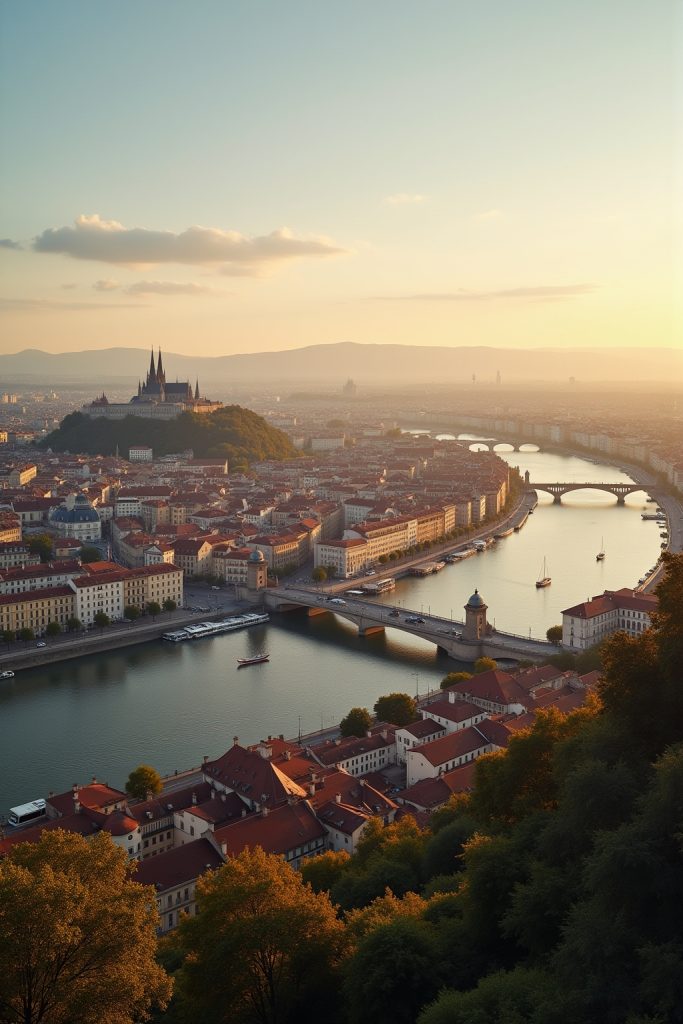
Du planst eine Reise nach Lyon und möchtest die bedeutendsten Sehenswürdigkeiten entdecken, die diese faszinierende Stadt heute zu bieten hat? Dann bist du hier genau richtig. Dieser Text liefert dir eine essenzielle Übersicht über die Top 10 Orte, die du bei deinem Besuch in Lyon auf keinen Fall verpassen darfst, um ein tiefes Verständnis für die Kultur, Geschichte und das moderne Leben der Stadt zu entwickeln.
Das sind die beliebtesten Lyon Reiseführer Produkte


Reise Know-How CityTrip Lyon: Reiseführer mit Stadtplan und kostenloser Web-App ...
zum Angebot »
Reise Know-How CityTrip Lyon: Reiseführer Lyon mit Stadtplan und kostenloser Web-App ...
zum Angebot »
Michelin Le Guide Vert Lyon et sa région: St-Étienne, Vienne, Beaujolais, Forez, Dombes, Bugey (MICHELIN Grüne R ...
zum Angebot »
LYON REISEFÜHRER 2026: Entdecken Sie das pulsierende Herz Frankreichs und Europas kulinarische Hauptstadt mit alte ...
zum Angebot »

Die Top 10 Must-See Destinationen in Lyon
Lyon, die Hauptstadt der Region Auvergne-Rhône-Alpes, ist ein Schmelztiegel aus Geschichte, Gastronomie und moderner Vitalität. Von antiken römischen Theatern bis hin zu avantgardistischen Museen bietet die Stadt eine beeindruckende Vielfalt. Diese Auswahl der Top 10 Destinationen wurde getroffen, um dir ein umfassendes Erlebnis zu ermöglichen, das sowohl die historischen Wurzeln als auch das pulsierende heutige Leben Lyons widerspiegelt.
1. Vieux Lyon (Altstadt von Lyon)
Beginne deine Entdeckungsreise im Herzen von Lyon, dem Vieux Lyon, einem UNESCO-Weltkulturerbe. Diese prächtige Renaissance-Altstadt erstreckt sich entlang der Saône und ist ein lebendiges Museum mit ihren engen Gassen, den versteckten „Traboules“ (Geheimpassagen), den bunten Fassaden und den charmanten Innenhöfen. Die beiden Hauptviertel, Saint-Georges und Saint-Jean, laden zum Flanieren ein. Hier findest du zahlreiche Restaurants, Boutiquen und Handwerksläden. Die Architektur erzählt Geschichten aus dem 15. und 16. Jahrhundert, als Lyon ein wichtiges Zentrum für Seidenhandel und Finanzen war. Ein Spaziergang durch die Rue Saint-Jean ist ein Muss, und ein Besuch der Cathédrale Saint-Jean-Baptiste, mit ihrer beeindruckenden astronomischen Uhr, ist ein Höhepunkt.
Traboules erkunden
- Entdecke die geheimnisvollen Traboules, die einst von Seidenwebern genutzt wurden, um ihre Waren geschützt vor Wind und Wetter zu transportieren.
- Achte auf die subtilen Markierungen an den Türen, die auf verborgene Durchgänge hinweisen.
- Erkunde die Viertel Saint-Georges, Saint-Jean und Le Pizay, die für ihre gut erhaltenen Traboules bekannt sind.
2. Basilika Notre-Dame de Fourvière
Thronend auf dem Hügel von Fourvière, bietet die Basilika Notre-Dame de Fourvière einen atemberaubenden Panoramablick über Lyon und die Umgebung. Dieses neobyzantinische Meisterwerk wurde Ende des 19. Jahrhunderts erbaut und ist ein wichtiges Pilgerziel. Die üppige Innenausstattung mit ihren Mosaiken und bunten Glasfenstern ist ebenso beeindruckend wie die äußere Erscheinung. Der Aufstieg zum Fourvière-Hügel kann zu Fuß über Treppen erfolgen oder bequem mit der Standseilbahn (Funiculaire) vom alten Stadtteil aus. Der Platz vor der Basilika ist der perfekte Ort, um Fotos zu machen und die Weite der Stadt zu genießen.
Der Hügel von Fourvière
- Besuche die Basilika und bewundere ihre prachtvolle Innenausstattung.
- Genieße den unvergesslichen Panoramablick von der Esplanade aus.
- Entdecke die nahegelegenen römischen Theater (siehe Punkt 3).
3. Antike römische Theater (Théâtre Gallo-Romain de Fourvière)
Am Fuße der Basilika Notre-Dame de Fourvière liegen die Überreste zweier antiker römischer Theater: das Grand Théâtre und das Odéon. Diese archäologischen Stätten stammen aus dem 1. Jahrhundert v. Chr. und zeugen von der Bedeutung Lyons (damals Lugdunum) als Hauptstadt der römischen Gallien. Heute werden hier im Sommer oft kulturelle Veranstaltungen und Konzerte abgehalten, was den antiken Mauern neues Leben einhaucht. Ein Besuch ermöglicht es dir, tief in die römische Geschichte einzutauchen und die Ingenieurskunst der Antike zu bestaunen.
Archäologisches Erbe
- Erkunde die gut erhaltenen Ruinen der antiken Theater.
- Besuche das angrenzende Gallo-Roman Museum of Lyon-Fourvière für weitere Einblicke in die römische Geschichte.
- Stelle dir vor, wie hier vor fast zweitausend Jahren Aufführungen stattfanden.
4. Parc de la Tête d’Or
Der Parc de la Tête d’Or ist eine grüne Lunge im Herzen von Lyon und einer der größten Stadtparks Frankreichs. Diese weitläufige Oase bietet eine Vielzahl von Attraktionen für jeden Geschmack. Du findest hier einen wunderschönen botanischen Garten, einen Zoo mit einer vielfältigen Tierwelt, einen malerischen See, auf dem du Tretboot fahren kannst, und weitläufige Rasenflächen, die zum Entspannen einladen. Der Rosengarten ist besonders im Frühling und Sommer ein Genuss. Der Park ist ein idealer Ort für Familien, Sportbegeisterte und alle, die dem Trubel der Stadt entfliehen möchten.
Grüne Idylle
- Spaziere durch den bezaubernden botanischen Garten mit seinen exotischen Pflanzen.
- Besuche den Zoo und entdecke Tiere aus aller Welt.
- Miete ein Tretboot auf dem See und genieße die Aussicht vom Wasser aus.
5. La Presqu’île (Die Halbinsel)
La Presqu’île, die Halbinsel zwischen Rhône und Saône, ist das pulsierende Herz des modernen Lyoner Lebens. Hier findest du die wichtigsten Einkaufsstraßen, elegante Boutiquen, luxuriöse Geschäfte, aber auch historische Gebäude und lebhafte Plätze wie den Place Bellecour und den Place des Terreaux. Der Place des Terreaux ist besonders bemerkenswert, da er von der prächtigen Fassade des Rathauses (Hôtel de Ville) und dem berühmten Fontaine Bartholdi dominiert wird. Die Presqu’île ist der perfekte Ort, um das städtische Flair Lyons zu erleben, einzukaufen und die lebendige Atmosphäre zu genießen.
Stadtzentrum erleben
- Schlendere durch die Rue de la République und die Rue du Président Émile Zola zum Einkaufen.
- Bewundere die Architektur am Place des Terreaux und die Fontaine Bartholdi.
- Besuche das Musée des Beaux-Arts de Lyon (siehe Punkt 6), das sich ebenfalls hier befindet.
6. Musée des Beaux-Arts de Lyon
Das Musée des Beaux-Arts, auch bekannt als Palais Saint-Pierre, ist eines der größten Kunstmuseen Frankreichs außerhalb von Paris und beherbergt eine beeindruckende Sammlung von Werken, die von der Antike bis zur modernen Kunst reichen. Die Ausstellungen umfassen Meisterwerke der Malerei, Skulptur und dekorativen Kunst. Das Museum ist in einem ehemaligen Benediktinerkloster untergebracht, und die Architektur des Gebäudes selbst ist eine Sehenswürdigkeit. Hier kannst du Werke von Künstlern wie Rembrandt, Rubens, Delacroix und Picasso bewundern. Der Innenhof mit seinem Skulpturengarten bietet zudem eine friedliche Oase.
Kunst und Geschichte
- Erkunde die umfassenden Sammlungen von der Antike bis zur zeitgenössischen Kunst.
- Bestaune Meisterwerke europäischer und internationaler Künstler.
- Genieße die Ruhe im Skulpturengarten im Innenhof.
7. Les Halles de Lyon Paul Bocuse
Für Feinschmecker ist ein Besuch der Les Halles de Lyon Paul Bocuse ein absolutes Muss. Diese Markthalle, benannt nach dem legendären Lyoner Koch, ist ein Paradies für kulinarische Genüsse. Hier findest du eine unglaubliche Vielfalt an frischen Produkten, handwerklichen Spezialitäten, Käse, Fleisch, Fisch, Gebäck und vielem mehr, alles von höchster Qualität. Ob du einen provenzalischen Markt suchst, um Zutaten für ein Picknick zu kaufen, oder einfach nur die Aromen und die Atmosphäre genießen möchtest, Les Halles de Lyon ist der richtige Ort. Zahlreiche Stände bieten auch kleine Gerichte zum Sofortverzehr an, sodass du die lyonner Gastronomie direkt vor Ort erleben kannst.
Kulinarische Entdeckungsreise
- Probiere lokale Spezialitäten wie Quenelles, Lyoner Wurst und Saint-Marcellin Käse.
- Kaufe frische Produkte von lokalen Erzeugern.
- Lasse dich von der Vielfalt und Qualität der angebotenen Waren inspirieren.
8. Maison des Canuts
Um die reiche Geschichte des Seidenhandels in Lyon zu verstehen, solltest du die Maison des Canuts besuchen. Hier erfährst du alles über das Leben und die Arbeit der „Canuts“, der Seidenweber, die Lyon einst zu einem wichtigen Zentrum der Seidenproduktion machten. In dieser interaktiven Ausstellung kannst du traditionelle Webstühle in Aktion sehen und mehr über die Techniken und die Herausforderungen dieses Handwerks lernen. Es ist ein faszinierender Einblick in eine längst vergangene Ära, die die Stadt nachhaltig geprägt hat.
Die Tradition der Seidenweber
- Erhalte Einblicke in die Geschichte und Techniken des Lyoner Seidenhandels.
- Sieh traditionelle Webstühle in Aktion.
- Verstehe die Bedeutung der Canuts für die Stadtentwicklung.
9. Musée de la Confluence
Für Liebhaber von Wissenschaft, Anthropologie und moderner Architektur ist das Musée de la Confluence ein absolutes Highlight. Dieses futuristische Museum am Zusammenfluss von Rhône und Saône beherbergt Sammlungen, die sich mit der Geschichte der Erde, der Menschheit und des Universums befassen. Die außergewöhnliche Architektur des Gebäudes, entworfen vom japanischen Architekten Kengo Kuma, ist bereits für sich genommen eine Reise wert. Das Museum bietet eine einzigartige Perspektive auf die evolutionäre Entwicklung und die Vielfalt des Lebens.
Wissen und Architektur
- Entdecke faszinierende Ausstellungen zur Naturgeschichte und zur Entwicklung der Menschheit.
- Bewundere die beeindruckende und innovative Architektur des Museums.
- Nutze die Lage am Zusammenfluss der beiden Flüsse für einen schönen Ausblick.
10. Institut Lumière
Lyon hat eine besondere Verbindung zum Kino, denn hier lebten und arbeiteten die Brüder Lumière, die Pioniere des Films. Das Institut Lumière ist dem Erbe dieser filmischen Revolution gewidmet. Es beherbergt ein Museum, das die Geschichte des Kinos und die Erfindungen der Brüder Lumière zeigt, sowie einen historischen Kinosaal, in dem regelmäßig Filmvorführungen stattfinden. Ein Besuch hier ist eine Reise in die Anfänge der bewegten Bilder und ein Muss für jeden Film- und Geschichtsinteressierten.
Wo das Kino begann
- Erfahre mehr über die Brüder Lumière und ihre bahnbrechenden Erfindungen.
- Besuche das Museum, das der Geschichte des Films gewidmet ist.
- Erlebe eine Filmvorführung im historischen Kinosaal.
Übersicht der Lyoner Erlebnisse
| Kategorie | Beschreibung | Besonderheiten |
|---|---|---|
| Historische Stätten | Entdecke die Spuren der Vergangenheit Lyons von der Römerzeit bis zur Renaissance. | UNESCO-Weltkulturerbe Vieux Lyon, antike römische Theater. |
| Kultur & Kunst | Tauche ein in die reiche Kunstszene und die filmische Geschichte Lyons. | Musée des Beaux-Arts, Institut Lumière, Maison des Canuts. |
| Gastronomie & Märkte | Erlebe die weltberühmte Lyoner Küche hautnah. | Les Halles de Lyon Paul Bocuse, traditionelle Bistrots und Bouchons. |
| Natur & Erholung | Genieße grüne Oasen und atemberaubende Ausblicke. | Parc de la Tête d’Or, Fourvière-Hügel mit Panoramablick. |
| Moderne Architektur | Bewundere innovative Bauwerke und das pulsierende Stadtzentrum. | Musée de la Confluence, La Presqu’île. |
FAQ – Häufig gestellte Fragen zu Discover 10 Must-See Destinations in Lyon Today
Wie komme ich am besten von einer Sehenswürdigkeit zur nächsten?
Lyon verfügt über ein ausgezeichnetes öffentliches Nahverkehrssystem, das aus U-Bahnen, Straßenbahnen und Bussen besteht. Viele Sehenswürdigkeiten im Stadtzentrum sind gut zu Fuß erreichbar. Für die Fahrt auf den Fourvière-Hügel empfiehlt sich die Standseilbahn (Funiculaire). Für die Erkundung der Altstadt sind bequeme Schuhe unerlässlich, da die Gassen oft eng und steil sind.
Wann ist die beste Reisezeit für Lyon?
Die beste Reisezeit für Lyon ist im Frühling (April bis Juni) und im Herbst (September bis Oktober). In diesen Monaten sind die Temperaturen angenehm mild, und die Parks und Gärten sind besonders schön. Der Sommer (Juli und August) kann heiß werden, ist aber auch ideal für Open-Air-Veranstaltungen. Im Winter ist es kühler, aber die Weihnachtsdekorationen und Weihnachtsmärkte haben ihren eigenen Charme.
Wie viel Zeit sollte ich für einen Besuch in Lyon einplanen?
Um die 10 wichtigsten Sehenswürdigkeiten und die Atmosphäre der Stadt wirklich zu erleben, solltest du mindestens 3 bis 4 volle Tage einplanen. Wenn du tiefer in die Museen eintauchen oder Ausflüge in die Umgebung machen möchtest, sind 5 bis 7 Tage ideal.
Sind die Eintrittspreise für die Sehenswürdigkeiten hoch?
Die Eintrittspreise variieren. Viele der historischen Stätten im Freien, wie die römischen Theater oder die Altstadt, sind kostenlos zugänglich. Für Museen und die Basilika Notre-Dame de Fourvière fallen in der Regel Eintrittsgebühren an, die jedoch im Vergleich zu anderen europäischen Großstädten oft moderat sind. Es gibt auch Möglichkeiten für Kombitickets oder Tagespässe für den Nahverkehr und einige Attraktionen.
Gibt es in Lyon spezielle Angebote für Familien mit Kindern?
Ja, Lyon bietet viele kinderfreundliche Attraktionen. Der Parc de la Tête d’Or mit seinem Zoo und dem Spielplatz ist ein großer Anziehungspunkt. Das Musée des Confluences hat ebenfalls interaktive Bereiche, die Kinder ansprechen. Viele Restaurants bieten Kindermenüs an, und die Erkundung der Altstadt mit ihren kleinen Geschäften und Eisdielen macht auch Kindern Spaß.
Was sind die typischen lyonner Spezialitäten, die ich probieren sollte?
Die lyonner Küche ist weltberühmt für ihre deftigen Gerichte. Zu den absoluten Must-Trys gehören Quenelles (eine Art Grießknödel in Sauce), Lyoner Wurst (Saucisson de Lyon), Tablier de Sapeur (paniertes und frittiertes Rinder-Euter), und natürlich Käse wie Saint-Marcellin. Besuche unbedingt einen traditionellen „Bouchon Lyonnais“ für ein authentisches kulinarisches Erlebnis.
Wie ist die allgemeine Sicherheit in Lyon?
Lyon ist eine relativ sichere Stadt. Wie in jeder Großstadt solltest du jedoch auf deine persönlichen Gegenstände achten, besonders in belebten Touristengebieten und öffentlichen Verkehrsmitteln, um Taschendiebstahl zu vermeiden. Nachts ist es ratsam, in gut beleuchteten und belebten Straßen zu bleiben.