
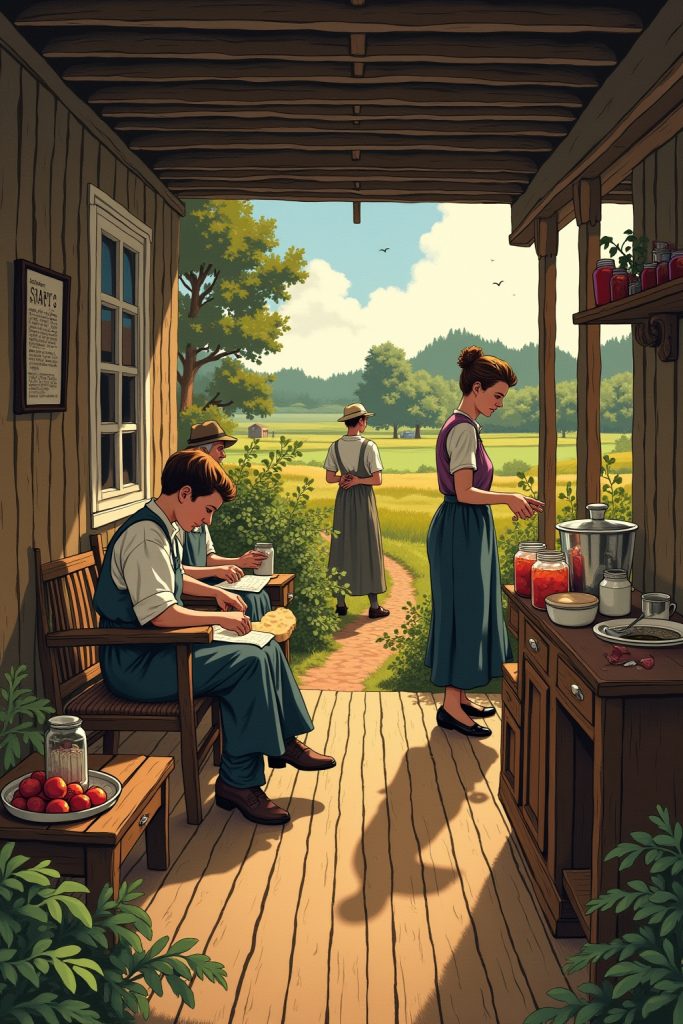
Wenn du deine Unabhängigkeit stärken und dich besser auf verschiedenste Lebenslagen vorbereiten möchtest, sind traditionelle Fertigkeiten, die über Generationen weitergegeben wurden, von unschätzbarem Wert. Dieser Text richtet sich an alle, die lernen möchten, wie sie durch das Wiedererlernen und Anwenden von 10 essenziellen Vintage Skills ihre Autarkie erhöhen und widerstandsfähiger werden können.
Das sind die beliebtesten Top 10 Nähkurs Produkte


Grundlagen der Selbstversorgung: Warum Vintage Skills heute relevanter sind denn je
In einer zunehmend komplexen und vernetzten Welt mag die Idee, auf alte Fertigkeiten zurückzugreifen, antiquiert erscheinen. Doch gerade diese traditionellen Kompetenzen bilden das Fundament für echte Selbstversorgung und Resilienz. Sie befähigen dich, grundlegende Bedürfnisse unabhängig von externen Systemen zu decken und schaffen ein tiefes Verständnis für die Ressourcen, die uns umgeben. Von der Ernährungssicherheit bis zur Reparatur von Alltagsgegenständen – Vintage Skills bieten praktische Lösungen und fördern eine nachhaltigere Lebensweise.
1. Konservierung von Lebensmitteln: Ein Schatz der Haltbarkeit
Die Fähigkeit, Lebensmittel zu konservieren, ist eine der wichtigsten Säulen der Selbstversorgung. Sie ermöglicht es dir, Ernten zu lagern, saisonale Überflüsse zu nutzen und eine Vorratskammer anzulegen, die dich durch Zeiten geringerer Verfügbarkeit bringt. Traditionelle Methoden wie Einmachen (Einkochen), Fermentieren, Trocknen und Räuchern sind nicht nur effektiv, sondern erhalten auch Nährstoffe und Geschmack.
- Einmachen (Einkochen): Durch Erhitzen und luftdichtes Verschließen in Gläsern werden Bakterien abgetötet und die Haltbarkeit von Obst, Gemüse, Marmeladen und Fleisch verlängert. Dies ist eine bewährte Methode, um Sommerfrüchte für den Winter zu bewahren.
- Fermentieren: Techniken wie die Herstellung von Sauerkraut, Kimchi oder Joghurt nutzen Mikroorganismen, um Lebensmittel zu konservieren und gleichzeitig probiotische Vorteile zu schaffen. Fermentierte Lebensmittel sind reich an Vitaminen und leicht verdaulich.
- Trocknen: Das Entziehen von Wasser stoppt das Wachstum von Mikroorganismen. Obst, Gemüse, Kräuter und Fleisch lassen sich hervorragend durch Lufttrocknung, im Ofen oder mit einem Dörrautomaten haltbar machen.
- Pökeln und Räuchern: Diese Methoden, primär für Fleisch und Fisch angewendet, entziehen ebenfalls Feuchtigkeit und fügen konservierende Stoffe hinzu (Salz) oder legen konservierende und aromatisierende Rauchbestandteile an.
2. Gartenbau und Permakultur: Nahrung vom eigenen Fleck
Die eigene Nahrung anzubauen, ist ein fundamentaler Schritt zur Unabhängigkeit. Der Gartenbau im Einklang mit den Prinzipien der Permakultur maximiert die Effizienz, minimiert den Aufwand und schafft ein stabiles, sich selbst erhaltendes Ökosystem.
- Anbau von Grundnahrungsmitteln: Lerne, wie du Kartoffeln, Wurzelgemüse, Hülsenfrüchte und Blattgemüse anbaust, die eine solide Basis für deine Ernährung bilden.
- Saatgutgewinnung: Das Sammeln und Lagern von eigenem Saatgut sichert deine zukünftigen Ernten und macht dich unabhängig von Saatgutfirmen.
- Kompostierung: Verwandle organische Abfälle in wertvollen Dünger, der die Bodenfruchtbarkeit erhält und den Kreislauf schließt.
- Schädlingsmanagement: Entwickle natürliche Methoden zur Bekämpfung von Schädlingen, um den Einsatz von Chemikalien zu vermeiden und die Gesundheit deines Gartens zu fördern.
- Permakultur-Prinzipien: Integriere Elemente wie Mehrfachnutzung, naturnahe Gestaltung und das Schaffen von Lebensräumen für nützliche Insekten, um deinen Garten widerstandsfähiger und produktiver zu machen.
3. Handwerkliche Reparaturfähigkeiten: Werkzeuge und Textilien instand halten
In einer Wegwerfgesellschaft ist die Fähigkeit, Dinge zu reparieren, ein Akt der Nachhaltigkeit und der finanziellen Klugheit. Das Beherrschen grundlegender Reparaturtechniken für Werkzeuge und Textilien spart Geld und reduziert Abfall.
- Werkzeugpflege und -schärfen: Lerne, wie du Schneidwerkzeuge wie Messer, Äxte und Scheren schärfst und pflegst, damit sie optimal funktionieren und eine lange Lebensdauer haben.
- Holzarbeiten und Tischlerei: Kleine Reparaturen an Möbeln, Zäunen oder Holzkonstruktionen können oft mit grundlegenden Kenntnissen der Holzbearbeitung selbst durchgeführt werden.
- Textilreparatur: Nähen, Flicken und Stopfen sind essenzielle Fähigkeiten, um Kleidung und Heimtextilien zu verlängern und vorzeitigem Verschleiß entgegenzuwirken.
- Grundlegende Mechanik: Das Verständnis und die Reparatur einfacher mechanischer Systeme, wie sie in Fahrrädern oder Gartengeräten vorkommen, können viel Ärger und Kosten ersparen.
4. Feuer machen und Holzbeschaffung: Wärme und Kochen meistern
Die Fähigkeit, sicher und effizient Feuer zu machen, ist für Wärme, Kochen und Wasseraufbereitung unerlässlich, insbesondere in Notfallsituationen oder beim Leben abseits der konventionellen Infrastruktur.
- Feuer machen mit verschiedenen Zündmethoden: Übe das Entfachen von Feuern mit Streichhölzern, Feuerzeugen, Feuerstahl und auch ohne Hilfsmittel (z.B. mit einem Feuerbohrer).
- Auswahl und Vorbereitung von Brennholz: Lerne, trockenes, gut brennbares Holz zu erkennen, es richtig zu lagern und es auf die passende Größe zu bringen.
- Sicherheitsaspekte: Verstehe die Risiken und handle stets verantwortungsbewusst, um Brände zu vermeiden und die Umwelt zu schützen.
- Effiziente Nutzung: Lerne, wie du mit minimalem Brennstoffaufwand maximale Wärme erzeugst, beispielsweise durch den Bau von effizienten Kochstellen.
5. Wasseraufbereitung und -verwaltung: Die Lebensgrundlage sichern
Sauberes Wasser ist lebensnotwendig. Die Fähigkeit, Wasser zu finden, zu filtern, zu reinigen und zu speichern, ist ein kritischer Aspekt der Selbstversorgung.
- Wasserquellen identifizieren: Erkenne potenzielle Wasserquellen in deiner Umgebung, sei es Regenwasser, Brunnen, Flüsse oder Seen.
- Filtrationsmethoden: Lerne einfache Methoden, um Sedimente und größere Partikel aus dem Wasser zu entfernen, z.B. durch Filter aus Sand, Kies und Stoff.
- Desinfektionsmethoden: Kochen ist die zuverlässigste Methode zur Abtötung von Krankheitserregern. Auch die Verwendung von UV-Strahlung oder chemischen Mitteln (wie Jodtabletten) sind Optionen für unterwegs.
- Regenwassernutzung: Installiere und pflege Systeme zur Sammlung und Speicherung von Regenwasser für Garten und Haushalt.
- Brunnenbau und -wartung: Grundlegende Kenntnisse über den Bau und die Instandhaltung von einfachen Brunnen können eine verlässliche Wasserquelle schaffen.
6. Erste Hilfe und grundlegende Gesundheitspflege: Wohlbefinden schützen
Die Fähigkeit, kleine Verletzungen und Krankheiten selbst zu behandeln und präventiv für Gesundheit zu sorgen, ist ein Eckpfeiler der Unabhängigkeit.
- Grundlegende Erste Hilfe: Kenntnisse in Wundversorgung, Behandlung von Verbrennungen, Prellungen und Brüchen sind unerlässlich.
- Heilkräuterkunde: Lerne die Eigenschaften heimischer Heilpflanzen kennen und nutze sie zur Linderung gängiger Beschwerden.
- Ernährung und Prävention: Verstehe den Zusammenhang zwischen Ernährung, Lebensstil und Gesundheit, um Krankheiten vorzubeugen.
- Hygiene: Etabliere und pflege einfache, aber effektive Hygienemaßnahmen, um die Ausbreitung von Krankheiten zu verhindern.
7. Tierhaltung und -pflege: Ergänzende Nahrungsquellen
Die Haltung von Kleintieren wie Hühnern, Kaninchen oder Bienen kann eine wertvolle Ergänzung zur eigenen Ernährung darstellen und gleichzeitig nützliche Produkte wie Eier, Fleisch, Honig oder Dünger liefern.
- Auswahl geeigneter Tiere: Informiere dich über die Anforderungen und Vorteile verschiedener Tierarten.
- Unterkunft und Futter: Stelle artgerechte Unterkünfte bereit und sorge für eine ausgewogene Ernährung der Tiere.
- Gesundheit und Fortpflanzung: Lerne, die Gesundheit deiner Tiere zu überwachen und einfache Zuchtmethoden anzuwenden.
- Produktgewinnung: Ernte die Produkte deiner Tiere (Eier, Honig, Fleisch) und verarbeite sie fachgerecht.
8. Knoten und Seilerei: Vielseitige Anwendungsmöglichkeiten
Das Wissen um verschiedene Knoten ist in vielen Lebensbereichen nützlich, von der Sicherung von Lasten über den Bau von Unterkünften bis hin zu Reparaturen.
- Grundknoten: Beherrsche essentielle Knoten wie den Achterknoten, den Kreuzknoten, den Überhandknoten und den Palstek.
- Sicherungsknoten: Lerne Knoten, die zum Befestigen und Sichern von Objekten dienen.
- Schlaufenknoten: Erkenne die Vorteile von Knoten, die verstellbare oder feste Schlaufen bilden.
- Praktische Anwendungen: Übe das Anwenden von Knoten beim Zelten, Wandern, im Garten oder bei Reparaturarbeiten.
9. Grundlegende Elektrizitätskenntnisse: Energieunabhängigkeit
Auch wenn der Fokus auf Vintage Skills liegt, können grundlegende Kenntnisse über erneuerbare Energiequellen wie Solarenergie und deren Speicherung die Selbstversorgung weiter stärken.
- Solarmodule und Laderegler: Verstehe die Funktionsweise von Solaranlagen und wie man sie zur Stromerzeugung nutzt.
- Batteriespeicher: Lerne, wie Strom gespeichert und für den späteren Gebrauch verfügbar gemacht wird.
- Basis-Elektrik: Grundlegende Kenntnisse über Stromkreise, Spannung und Stromstärke helfen bei der Installation und Wartung kleinerer Systeme.
- Energieeffizienz: Minimiere deinen Energieverbrauch durch bewusste Nutzung von Geräten.
10. Jagd und Wildniskunde: Ressourcen aus der Natur
Für diejenigen, die in ländlichen Gebieten leben und die entsprechenden Gesetze und ethischen Richtlinien beachten, kann das Wissen über Jagd und Wildnispflichten eine wertvolle Quelle für Nahrung und Ressourcen sein.
- Spurenlesen und Tierverhalten: Lerne, Tiere in ihrer natürlichen Umgebung zu erkennen und ihr Verhalten zu verstehen.
- Sichere und ethische Jagdpraktiken: Übe verantwortungsbewusste Jagdtechniken unter Einhaltung aller gesetzlichen Vorschriften.
- Wildverarbeitung: Lerne, erlegtes Wild fachgerecht zu zerlegen, zu verarbeiten und haltbar zu machen.
- Essbare und medizinische Pflanzen: Erweitere dein Wissen über essbare und heilende Pflanzen in deiner lokalen Umgebung.
| Kategorie | Kernkompetenz | Relevanz für Selbstversorgung | Beispiele für Vintage Skills |
|---|---|---|---|
| Nahrungsmittelproduktion & -erhaltung | Unabhängige Versorgung mit Grundnahrungsmitteln | Langfristige Ernährungssicherheit, Reduzierung von Lebensmittelkosten, Vermeidung von Abhängigkeit von Lieferketten. | Gartenbau, Permakultur, Saatgutgewinnung, Einmachen, Fermentieren, Trocknen, Räuchern, Jagd. |
| Ressourcenmanagement & Infrastruktur | Unabhängige Nutzung und Instandhaltung von Energie, Wasser und Werkzeugen | Sicherung der Lebensgrundlagen, Reduzierung von Ausgaben, Erhöhung der Autarkie bei Ausfall öffentlicher Dienste. | Feuer machen, Wasseraufbereitung, Brunnenbau, Werkzeugreparatur, Solarenergie-Grundlagen, Knoten & Seilerei. |
| Gesundheit & Wohlbefinden | Eigenständige Gesundheitsvorsorge und -behandlung | Reduzierung der Abhängigkeit von medizinischen Systemen, proaktive Gesundheitsförderung, Notfallvorsorge. | Erste Hilfe, Heilkräuterkunde, Grundlegende Hygiene, Tierhaltung (für nützliche Produkte). |
| Handwerk & Autonomie | Selbstständige Herstellung und Reparatur von Alltagsgegenständen | Kosteneinsparung, Reduzierung von Abfall, Erhöhung der Problemlösungskompetenz, Schaffung von Wert. | Textilreparatur, Holzbearbeitung, Schmieden (grundlegend), Korbflechten. |
Das sind die neuesten Nähkurs Produkte
FAQ – Häufig gestellte Fragen zu 10 Essential Vintage Skills for Self-Sufficiency
Wo fange ich am besten an, wenn ich mit Vintage Skills beginnen möchte?
Es ist ratsam, dort zu beginnen, wo dein Interesse am größten ist und wo du die unmittelbarste Verbesserung deiner Lebenssituation siehst. Oft sind das Fähigkeiten, die direkt mit der Nahrungsbeschaffung oder -konservierung zu tun haben, wie z.B. das Anlegen eines kleinen Kräutergartens oder das Erlernen einfacher Einmachmethoden. Kleine, überschaubare Projekte motivieren und bauen auf Erfolg auf.
Benötige ich spezielle Ausrüstung, um diese Fähigkeiten zu erlernen?
Für viele Vintage Skills ist keine teure oder spezielle Ausrüstung erforderlich. Oft genügen grundlegende Werkzeuge, die du vielleicht schon besitzt, oder du kannst sie kostengünstig erwerben. Das Wichtigste ist die Bereitschaft zu lernen und zu üben. Für fortgeschrittenere Techniken wie das Schärfen von Werkzeugen oder den Bau von Solaranlagen kann man sich zunächst das nötige Werkzeug leihen oder gebraucht erwerben.
Sind diese Fähigkeiten auch in städtischen Umgebungen relevant?
Absolut. Auch in städtischen Gebieten sind viele dieser Fähigkeiten wertvoll. Gartenbau kann auf Balkonen oder in Gemeinschaftsgärten praktiziert werden. Konservierungstechniken sind unabhängig vom Wohnort nützlich. Reparaturfähigkeiten helfen, Geld zu sparen und Müll zu vermeiden. Selbst Feuer machen kann in Notfallsituationen nützlich sein, und Kenntnisse über Wasseraufbereitung sind immer relevant.
Wie kann ich sicherstellen, dass meine erlernten Fähigkeiten sicher und effektiv sind?
Informiere dich gründlich aus vertrauenswürdigen Quellen wie Büchern, erfahrenen Mentoren oder zertifizierten Kursen. Praktische Erfahrung unter Anleitung ist Gold wert. Beginne mit einfachen Projekten und steigere dich langsam. Sicherheit hat immer oberste Priorität, insbesondere bei Tätigkeiten wie Feuer machen oder der Zubereitung von Lebensmitteln.
Wie viel Zeit muss ich investieren, um diese Fähigkeiten zu meistern?
Das Erlernen von Vintage Skills ist ein Prozess, der Zeit und Hingabe erfordert. Einige Fähigkeiten, wie das Binden einfacher Knoten, kannst du relativ schnell erlernen. Andere, wie fortgeschrittene Gartenbau- oder Tierhaltungstechniken, erfordern saisonales Wissen und kontinuierliche Praxis über Jahre hinweg. Regelmäßiges Üben, auch in kleinen Dosen, ist effektiver als sporadische, intensive Lernphasen.
Was ist der Unterschied zwischen Vintage Skills und modernen Selbstversorgungs-Technologien?
Vintage Skills basieren oft auf traditionellen, mechanischen oder natürlichen Prozessen, die wenig oder gar keine externe Energie (wie Elektrizität) oder komplexe Technologie benötigen. Moderne Selbstversorgungs-Technologien nutzen oft fortschrittliche Geräte wie Solarzellen, Wasserfilteranlagen oder energieeffiziente Geräte. Beide Ansätze können sich ergänzen und sollten nicht als Entweder-oder betrachtet werden. Eine Kombination aus beiden kann die Widerstandsfähigkeit maximieren.
Wie kann ich sicherstellen, dass meine Lebensmittelkonservierung sicher ist und keine Gefahr für die Gesundheit darstellt?
Die Lebensmittelsicherheit bei der Konservierung ist von größter Bedeutung. Bei Methoden wie dem Einmachen ist es entscheidend, die richtigen Temperaturen und Zeiten einzuhalten, um Botulismus zu vermeiden. Beim Fermentieren ist die Sauberkeit der Arbeitsutensilien und die richtige Salzkonzentration wichtig. Nutze bewährte Rezepte und Anleitungen von anerkannten Quellen. Bei Unsicherheiten ist es besser, eine Methode nicht anzuwenden oder professionellen Rat einzuholen.


