
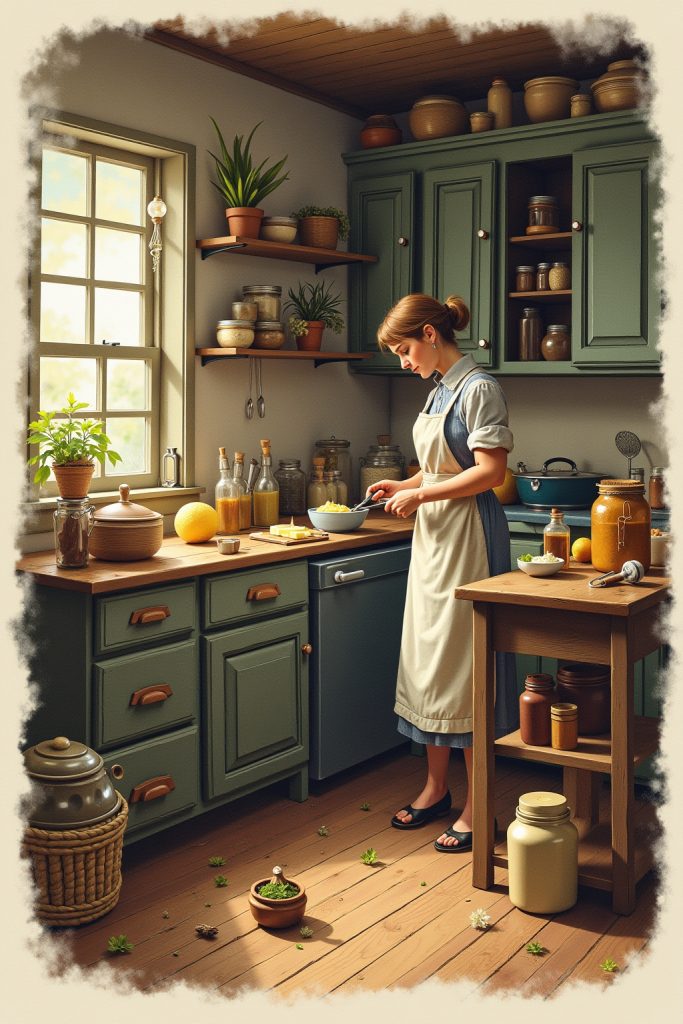
Du suchst nach praktischen und bewährten Lebensweisheiten, die dir helfen, unabhängiger und resilienter zu werden? Dieser Text enthüllt 10 faszinierende „Old Fashioned Living Tricks“, die nicht nur Nostalgie wecken, sondern auch erstaunlich nützlich für ein modernes, aber bodenständiges Leben sind. Diese Tipps richten sich an alle, die ihren Alltag durch einfache, aber effektive Methoden bereichern möchten und Wert auf Nachhaltigkeit und Selbstversorgung legen.
Das sind die beliebtesten Top 10 Alte Hausmittel Produkte


Die Essenz von „Old Fashioned Living“: Mehr als nur Nostalgie
Das Konzept des „Old Fashioned Living“ ist weit mehr als eine romantische Verklärung vergangener Zeiten. Es beschreibt eine Rückbesinnung auf grundlegende Fähigkeiten, Techniken und eine Lebenseinstellung, die in einer zunehmend digitalisierten und globalisierten Welt an Bedeutung gewinnt. Diese Ansätze basieren auf jahrhundertealtem Wissen und erprobten Praktiken, die darauf abzielen, die Abhängigkeit von industriellen Produkten und Dienstleistungen zu reduzieren und stattdessen auf eigene Ressourcen und Fähigkeiten zu setzen. Im Kern geht es darum, ein tieferes Verständnis für die Dinge zu entwickeln, die uns umgeben, und diese auf eine Weise zu nutzen, die sowohl nachhaltig als auch erfüllend ist. Dies kann von der Zubereitung eigener Lebensmittel über die Reparatur von Gegenständen bis hin zur Nutzung natürlicher Methoden zur Lösung alltäglicher Probleme reichen. Die „Old Fashioned Living Tricks“ sind Werkzeuge zur Selbstermächtigung, die dir helfen können, auch in unsicheren Zeiten gelassener und kompetenter zu agieren.
10 Erstaunliche „Old Fashioned Living Tricks“, die deinen Alltag revolutionieren
1. Natürliche Reinigungsmittel selbst herstellen
Die chemische Keule im Badezimmerschrank muss nicht sein. Mit wenigen natürlichen Zutaten, die du wahrscheinlich bereits zu Hause hast, kannst du effektive und umweltfreundliche Reinigungsmittel herstellen. Essig, Natron, Zitronensaft und Kernseife sind wahre Alleskönner. Essig ist ein exzellenter Fettlöser und Desinfektionsmittel, während Natron als sanftes Scheuermittel und Geruchsneutralisator dient. Eine Mischung aus Essig und Wasser eignet sich hervorragend für Glasflächen, eine Paste aus Natron und Wasser für hartnäckige Verschmutzungen im Bad und eine verdünnte Lösung mit Kernseife für allgemeine Reinigungsarbeiten. Diese Methode schont nicht nur deinen Geldbeutel und die Umwelt, sondern auch deine Atemwege und deine Haut. Für eine angenehme Duftnote kannst du ein paar Tropfen ätherisches Öl wie Zitrone, Lavendel oder Teebaumöl hinzufügen.
2. Einmachgläser als universelle Aufbewahrung
Bevor es Plastikbehälter gab, waren Einmachgläser die erste Wahl zur Aufbewahrung von Lebensmitteln. Heute erleben sie eine Renaissance, nicht nur aus ökologischen Gründen. Gut gereinigte alte Einmachgläser eignen sich perfekt zur Lagerung von trockenen Lebensmitteln wie Reis, Pasta, Mehl, Zucker oder Hülsenfrüchten. Aber auch für selbstgemachte Marmeladen, Chutneys, Pesto oder eingelegtes Gemüse sind sie ideal. Sie lassen sich vakuumversiegeln und so die Haltbarkeit der Produkte deutlich verlängern. Zudem behältst du stets den Überblick über deinen Vorrat, da der Inhalt sichtbar bleibt. Nutze sie auch für deine selbstgemachten Müsliriegel, Kräuter oder als Aufbewahrung für Bastelmaterialien. Die Vielfalt ist grenzenlos.
3. Schlüsselanhänger statt Schlüsselbrett: Übersichtlichkeit schaffen
Verlierst du ständig den Überblick über deine Schlüssel? Anstatt eines unordentlichen Schlüsselbretts, das oft mehr Chaos als Ordnung schafft, kannst du deine Schlüssel mit farbigen Schlüsselanhängern versehen. Ordne jeder Funktion (Haus, Auto, Büro, Keller etc.) eine bestimmte Farbe oder ein bestimmtes Symbol zu. Dies hilft dir nicht nur, den richtigen Schlüssel schnell zu identifizieren, sondern erleichtert auch die Organisation, wenn du mehrere Schlüssel derselben Art hast. Ein weiterer Vorteil ist, dass farbige Anhänger die Schlüssel auffälliger machen und so das Verlieren erschweren. Für eine noch bessere Organisation kannst du kleine Etiketten an den Anhängern anbringen.
4. Der gute alte Wäscheständer statt Trockner
Ein Wäschetrockner ist ein Energiefresser. Deine Großeltern wussten das und nutzten stattdessen Wäscheständer oder Wäscheleinen. Das spart nicht nur Stromkosten, sondern ist auch schonender für deine Kleidung. Die Fasern werden nicht so stark beansprucht, was die Lebensdauer deiner Textilien verlängert. Zudem duftet frisch an der Luft getrocknete Wäsche oft angenehmer. Wenn du keinen Platz für einen großen Wäscheständer hast, nutze ausklappbare Modelle oder hänge die Wäsche über Türrahmen oder auf dem Balkon auf. Achte darauf, die Wäsche regelmäßig zu wenden, um eine gleichmäßige Trocknung zu gewährleisten.
5. Kräuteranbau auf der Fensterbank
Frische Kräuter verfeinern jedes Gericht und werten deine Küche optisch auf. Anstatt teure Kräutertöpfchen aus dem Supermarkt zu kaufen, kannst du deine eigenen Kräuter auf der Fensterbank ziehen. Basilikum, Petersilie, Schnittlauch, Minze, Rosmarin und Thymian gedeihen auch in kleinen Töpfen prächtig. Beginne mit Samen oder kaufe kleine Jungpflanzen und topfe sie um. Achte auf ausreichend Licht und regelmäßiges Gießen. Du sparst Geld, hast immer frische Zutaten zur Hand und kannst sicher sein, dass deine Kräuter ungespritzt sind. Viele Kräuter können zudem auch getrocknet oder eingefroren werden, um sie für spätere Verwendung aufzubewahren.
6. Reparatur statt Neukauf: Langlebigkeit fördern
In Zeiten von „Fast Fashion“ und Wegwerfmentalität ist die Fähigkeit, Dinge zu reparieren, eine wertvolle Fertigkeit. Ob ein lockerer Knopf an der Hose, ein defekter Reißverschluss, ein kleines Loch im Stoff oder eine lose Schraube am Möbelstück – viele kleine Reparaturen kannst du mit einfachen Werkzeugen und etwas Geschick selbst durchführen. Das spart Geld, schont Ressourcen und fördert ein bewussteres Konsumverhalten. Eine kleine Nähbox mit Nadeln, Faden in verschiedenen Farben, Knöpfen und einem Maßband ist ein guter Anfang. Auch ein einfaches Werkzeugset mit Schraubendrehern, Zangen und Hammer ist Gold wert. YouTube ist eine fantastische Ressource für Anleitungen zur Reparatur fast aller Dinge.
7. Selbstgemachtes Brot backen: Der Duft, der glücklich macht
Der Duft von frisch gebackenem Brot ist unvergleichlich und macht glücklich. Brot backen ist nicht kompliziert, wie viele denken. Mit Mehl, Wasser, Hefe (oder Sauerteig), Salz und etwas Geduld kannst du ein köstliches Brot kreieren, das besser schmeckt und gesünder ist als industrielles Brot. Du hast die volle Kontrolle über die Zutaten, kannst auf Zusatzstoffe verzichten und verschiedene Getreidesorten ausprobieren. Beginne mit einfachen Rezepten für Kastenweißbrot oder einfache Vollkornbrote. Die Investition in eine gute Küchenmaschine kann das Kneten erleichtern, ist aber nicht zwingend notwendig. Das Backen von Brot kann zu einer meditativ entspannenden Tätigkeit werden.
8. Notfall-Vorratslager anlegen
Ein gut sortierter Vorratsschrank ist ein Symbol für Vorsorge und Unabhängigkeit. Das Anlegen eines Notfall-Vorrats gibt dir Sicherheit, falls es zu unvorhergesehenen Ereignissen kommt, wie Stromausfällen, Lieferengpässen oder Naturkatastrophen. Konzentriere dich auf haltbare Lebensmittel wie Reis, Nudeln, Hülsenfrüchte, Konserven (Gemüse, Obst, Fisch, Fleisch), Trockenfrüchte, Nüsse, Honig, Zucker und Salz. Vergiss nicht ausreichend Trinkwasser, haltbare Milch, Kaffee, Tee und Reinigungsmittel. Denke auch an Kerzen, Batterien, ein Feuerzeug oder Streichhölzer und ein Erste-Hilfe-Set. Lagere deine Vorräte kühl und trocken und achte auf das Haltbarkeitsdatum, indem du die ältesten Produkte zuerst verbrauchst.
9. Kleidung richtig pflegen und reparieren
Lerne, wie du deine Kleidung richtig pflegst, um ihre Lebensdauer zu verlängern. Das richtige Waschen bei niedrigeren Temperaturen, das Vermeiden von zu häufigem Waschen und das Lufttrocknen statt im Trockner sind grundlegende Schritte. Lerne einfache Nähfähigkeiten, um Knöpfe anzunähen, Säume zu reparieren oder kleine Löcher zu flicken. Das Aufbewahren von Garn und Nadeln in verschiedenen Farben erleichtert diese Reparaturen erheblich. Das Aufbringen von Flicken auf Jeans oder die Reparatur von kleineren Rissen kann einem Kleidungsstück sogar einen einzigartigen, individuellen Look verleihen.
10. Aus Alt mach Neu: Upcycling-Ideen nutzen
Upcycling ist die Kunst, aus alten, nicht mehr benötigten Gegenständen oder Materialien neue Produkte mit höherem Wert oder besserer Qualität zu schaffen. Anstatt Dinge wegzuwerfen, gib ihnen ein zweites Leben. Alte Holzpaletten können zu Gartenmöbeln umfunktioniert werden, aus alten Gläsern werden Vasen oder Kerzenhalter, aus alten T-Shirts Stofftaschen oder Putzlappen. Die Kreativität kennt hier keine Grenzen. Neben der Ressourcenschonung ist Upcycling auch eine wunderbare Möglichkeit, individuelle und einzigartige Dekorationen oder Gebrauchsgegenstände zu schaffen, die deinen persönlichen Stil widerspiegeln.
Übersicht der „Old Fashioned Living Tricks“
| Kategorie | Beschreibung | Vorteile | Anwendungsbeispiele |
|---|---|---|---|
| Reinigung | Herstellung von natürlichen Reinigungsmitteln aus Essig, Natron und Zitronensaft. | Umweltfreundlich, kostengünstig, haut- und atemfreundlich, keine schädlichen Chemikalien. | Badreiniger, Glasreiniger, Allzweckreiniger, Geruchsneutralisierer. |
| Aufbewahrung | Nutzung von Einmachgläsern für trockene Lebensmittel, Vorräte und Einmachprodukte. | Nachhaltig, kostengünstig, gute Übersichtlichkeit, verlängert Haltbarkeit durch Vakuumversiegelung. | Lagerung von Reis, Mehl, Zucker; Aufbewahrung von Marmeladen, eingelegtem Gemüse. |
| Haushalt | Verwendung von Wäscheständern statt Wäschetrocknern und richtige Kleidungspflege. | Energiesparend, schont Kleidung, verlängert Lebensdauer von Textilien, angenehmer Wäscheduft. | Lufttrocknen von Wäsche, einfache Reparaturen an Kleidung. |
| Ernährung & Vorrat | Anbau eigener Kräuter und Anlegen eines Notfall-Vorrats. | Frische Zutaten, Kostenersparnis, Unabhängigkeit, Sicherheit in Krisenzeiten. | Küchenkräuter auf der Fensterbank, Lagerung von haltbaren Lebensmitteln und Trinkwasser. |
| Wiederverwertung | Upcycling von alten Materialien und Gegenständen zu neuen Produkten. | Ressourcenschonung, Kreativität, individuelle Gestaltung, Kostenersparnis. | Möbel aus Paletten, Dekorationen aus Gläsern, Taschen aus T-Shirts. |
Das sind die neuesten Alte Hausmittel Produkte
FAQ – Häufig gestellte Fragen zu Unleash 10 Old Fashioned Living Tricks That Amaze
Sind diese Tricks auch für Anfänger geeignet?
Ja, absolut. Die vorgestellten „Old Fashioned Living Tricks“ sind bewusst so ausgewählt, dass sie auch für Personen mit wenig Vorkenntnissen gut umsetzbar sind. Die Grundprinzipien sind oft intuitiv und die benötigten Materialien sind meist leicht verfügbar. Viele Anleitungen und Tipps finden sich leicht online oder in Büchern, sodass ein Einstieg ohne große Hürden möglich ist.
Wie viel Zeit muss ich für die Umsetzung dieser Tricks aufwenden?
Das ist sehr unterschiedlich und hängt von deinem Engagement ab. Manche Tricks, wie die Herstellung von Reinigungsmitteln, sind schnell erledigt und bieten sofortige Ergebnisse. Andere, wie das Brotbacken oder der Kräuteranbau, erfordern etwas mehr Zeit und Geduld, aber die Ergebnisse sind die Mühe wert. Die Investition von Zeit zahlt sich jedoch durch Einsparungen, verbesserte Lebensqualität und ein gesteigertes Selbstbewusstsein aus.
Sind diese Methoden wirklich kostengünstiger als moderne Alternativen?
In vielen Fällen ja. Die Herstellung eigener Produkte wie Reinigungsmittel oder die Reparatur von Gegenständen ist oft deutlich günstiger als der Kauf fertiger Produkte. Auch der Verzicht auf stromintensive Geräte wie Wäschetrockner spart langfristig Energiekosten. Der Anbau eigener Kräuter reduziert Ausgaben für frische Kräuter. Die anfängliche Investition in grundlegende Werkzeuge oder Materialien amortisiert sich in der Regel schnell.
Wie integriere ich diese Tricks am besten in meinen modernen Alltag?
Beginne mit kleinen Schritten. Wähle einen oder zwei Tricks aus, die dich am meisten ansprechen, und probiere sie aus. Integriere sie schrittweise in deine Routine. Wenn du beispielsweise mit dem Brotbacken beginnst, nimm dir einmal pro Woche Zeit dafür. Wenn du den Sinn und die Vorteile erkennst, wirst du motiviert sein, weitere Tricks zu integrieren. Wichtig ist, dass es dir Spaß macht und zu deinem Lebensstil passt.
Sind diese Tricks auch in einer städtischen Umgebung umsetzbar?
Ja, viele dieser Tricks sind auch in der Stadt gut umsetzbar. Kräuter können auf dem Balkon oder Fensterbrett angebaut werden, Reinigungsmittel können in jeder Wohnung hergestellt werden, und die Reparatur von Kleidung oder Gegenständen erfordert keinen großen Platz. Das Anlegen von Vorräten ist ebenfalls unabhängig vom Wohnort möglich. Upcycling-Projekte können mit den richtigen Ideen auch auf kleinem Raum realisiert werden.
Welche Werkzeuge sind für den Einstieg in „Old Fashioned Living“ empfehlenswert?
Für den Einstieg sind nur wenige, grundlegende Werkzeuge notwendig. Eine gute Nähbox mit Nadeln, Faden und Knöpfen ist unerlässlich. Ein einfaches Werkzeugset mit Schraubendrehern, Zange und Hammer ist ebenfalls sehr hilfreich. Für das Backen sind Schüsseln, ein Messbecher und ein Löffel ausreichend. Ein scharfes Messer und ein Schneidebrett sind in jeder Küche vorhanden. Im Laufe der Zeit kannst du dein Werkzeugarsenal je nach Bedarf erweitern.


